Switching POS Mid-Lease: Hardware Buyout and Return Rules
By Jordan Park · Restaurant Operations Writer · 8 years experience
July 26, 2026 · 10 min read
You made the switch. The new system is running, the staff stopped complaining by week two, and your close-out takes eleven minutes instead of forty. Then the ACH hits your operating account on the first of the month: $427 for terminals sitting in a stack behind the walk-in.
That is the problem nobody warns you about. Your POS software and your POS hardware are two separate contracts, and switching one does absolutely nothing to the other.
It gets worse before it gets better. A four-year equipment finance agreement at $427 a month with 26 payments remaining is $11,102 of committed spend on hardware you have already replaced. Miss the return window and the lessor adds an evergreen renewal — another twelve months, automatically, because a clause on page three said so and nobody read page three. I have seen an operator in Tulsa pay $19,000 total on a terminal package that retailed under $6,000.
Here is the part that actually helps: none of this is unpredictable. Equipment leases follow a small number of standard patterns, and once you can identify which pattern you signed, the exit is arithmetic rather than anxiety. This guide walks through the identification, the math, and the return mechanics.
Step One: Find Out Who You Are Actually Leasing From
Start here, because everything else depends on the answer.
When you signed up with your POS vendor, you may have signed two documents in the same sitting: a software subscription agreement with the vendor and a separate equipment finance agreement that was assigned to a third-party leasing company within days. The salesperson at the table represented the POS company. The entity now holding your lease frequently does not.
Check three places:
- The payee on your bank statement. If the name pulling the ACH is different from your POS brand, you have a third-party lessor.
- The header of the lease document. Equipment finance agreements name the lessor at the top and often include an assignment clause in the fine print.
- Your welcome email folder. Lease assignments generate their own onboarding email, usually within 30 days of signing.
Why this matters so much: your POS vendor cannot waive a third party's lease, no matter how sympathetic your account manager sounds on the phone. "We'll take care of that for you" from a software rep is not a release. Only a written payoff or termination letter from the lessor ends the obligation.
The Three Lease Types and What Each Costs to Exit
Restaurant POS hardware is financed under a handful of structures. Identify yours from the buyout language.
| Structure | How to Recognize It | End-of-Term Cost | Early Exit |
|---|---|---|---|
| $1 buyout (capital lease) | Buyout clause says "$1.00" or "nominal" | $1 — you own it | Payoff = remaining principal, often discounted |
| 10% purchase option | Buyout stated as a fixed percentage of original cost | 10% of equipment cost | Remaining payments plus the option price |
| Fair market value (FMV) | Buyout says "then-current fair market value" | Whatever the lessor assesses, often 15-25% | Remaining payments; FMV assessed at exit |
The FMV structure is where surprises live. "Fair market value" is determined by the lessor, and a five-year-old terminal that would fetch $150 on the secondary market can be assessed considerably higher. If your agreement says FMV, ask for the assessment methodology in writing before you commit to a date.
The $1 buyout is the friendliest of the three. You are effectively financing a purchase, so the exit is a straightforward payoff calculation and you keep the hardware. Whether keeping it is useful is a separate question, and it hinges on whether your new POS runs on standard equipment. If you want to model the difference before signing anything new, run your numbers through the lease versus buy calculator for restaurant hardware — the comparison is more lopsided than most operators expect once you include the finance charge.
Reading the Clauses That Actually Cost Money
Pull the lease out and find these five paragraphs. Everything else is boilerplate.
1. The Non-Cancellable Statement
Nearly every restaurant equipment finance agreement contains a sentence close to: "This agreement is non-cancellable and irrevocable for the full term." That is not aggressive drafting; it is the standard structure that lets the lessor fund the equipment up front. Accept it as the starting condition. Your exit is a payoff, not a cancellation.
2. The Automatic Renewal Window
This is the expensive one. Typical language: "This agreement shall automatically renew for successive twelve-month periods unless Lessee provides written notice of non-renewal not less than ninety days prior to the expiration of the then-current term."
Three details decide whether you pay an extra year:
- The window length — commonly 30, 60, or 90 days
- The delivery method — many require certified mail, and email is explicitly excluded
- The exact end date — which is the acceptance date, not the signing date, and those can differ by weeks
Put the notice deadline in your calendar with a 30-day advance alert the same day you read this. It costs nothing and it is the highest-return five minutes in this entire article.
3. The Return Condition Standard
Usually phrased as "good working order, ordinary wear and tear excepted, complete with all accessories, manuals and software." The operative word is complete. Missing power bricks, card reader cables, and mounting stands are billed at replacement cost, and replacement cost is a list price nobody actually pays on the open market.
4. Insurance and Property Tax
Most leases require you to carry insurance naming the lessor as loss payee, and many pass through personal property tax as a separate annual charge. If you have been paying an unexplained $80 line item every January, that is what it is. Both obligations continue until the lease genuinely ends.
5. The Personal Guarantee
Small-ticket restaurant leases are commonly personally guaranteed by the owner. This does not change the buyout math, but it does change the stakes of simply stopping payment. Do not stop paying. Pay it out, return it, or negotiate — but keep the account current while you do.
The Buyout Math, Worked
Here is a realistic single-location scenario. Four terminals, two printers, a KDS screen and a cash drawer financed over 48 months.
| Line | Amount |
|---|---|
| Original equipment cost | $8,400 |
| Monthly payment | $427 |
| Payments remaining | 26 |
| Total remaining stream | $11,102 |
| Lessor payoff quote (discounted) | $9,340 |
| Estimated resale value of hardware | $900-$1,400 |
| Net cost of buying out and reselling | $7,940-$8,440 |
Buying out saves roughly $2,700 against riding the lease to term in this example, and that gap widens the more months remain. But notice the discount is modest — around 16%. Lessors discount the finance charge, not the principal, so early payoff is rarely the bargain operators hope for.
Run the same table with your own numbers before you call anyone. Then ask the lessor for a written payoff quote with a good-through date, because quotes expire and interim payments change the figure. Our companion piece on negotiating a POS contract buyout covers the conversation itself, including what leverage you realistically have and what you do not.
Returning the Hardware Without Getting Billed Twice
Assume nothing about the return process. Follow this sequence.
- Request written return instructions. Ask for the return address, the required documentation, and whether a Return Material Authorization number is needed. Shipments without an RMA get refused or lost.
- Inventory against the original schedule. The lease has an equipment schedule listing every serial number. Match each one physically. If a terminal died in year two and was swapped under warranty, the serial on the floor will not match the schedule — flag that in writing before shipping.
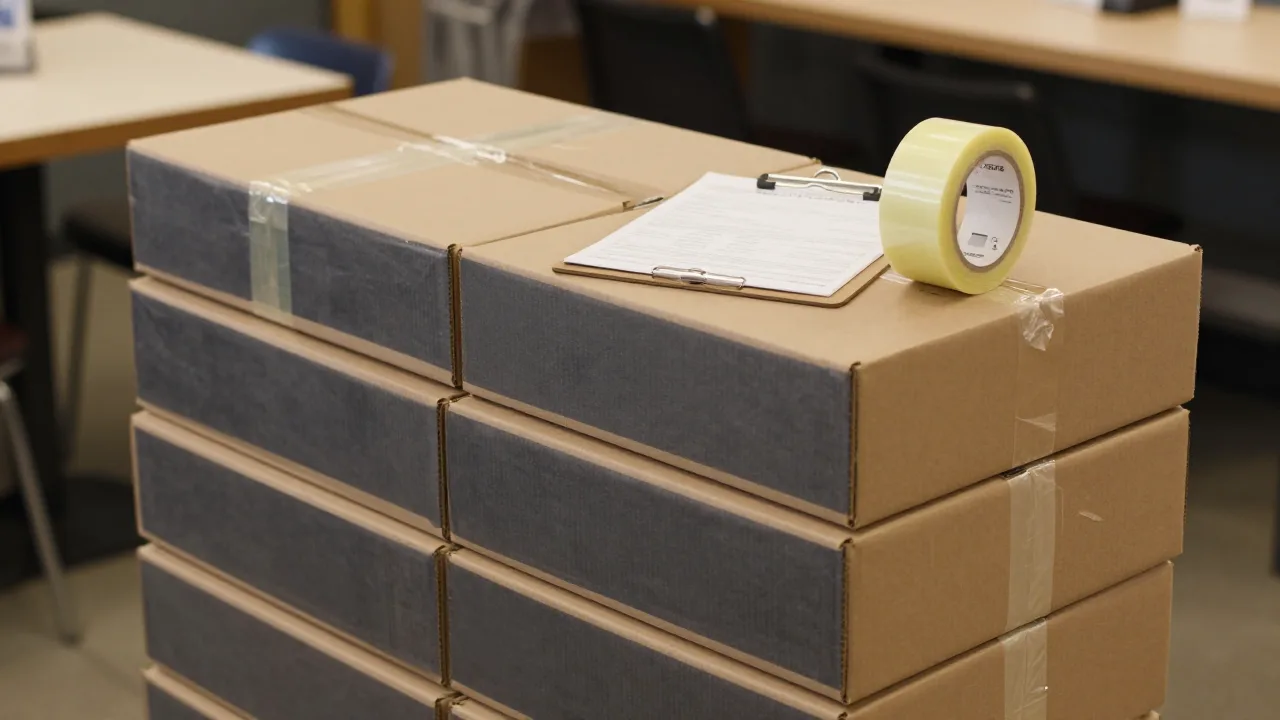
- Photograph everything. Every unit, powered on if possible, showing the serial number. Then photograph each packed box with the contents visible before you tape it. This takes twenty minutes and it is your entire defense against a damage claim.
- Include all accessories. Power supplies, cables, card readers, stands, mounting brackets, and the drawer key. Bag small items and label the bag.
- Wipe stored data. Log out of all accounts and factory reset each terminal where possible. You are returning equipment that may have touched cardholder data; treat the wipe as a compliance step, not a courtesy.
- Ship insured with tracking. Insure for the replacement value stated in the lease, not what you think it is worth. Keep the tracking numbers with the photos.
- Confirm receipt in writing. Then request a written statement that the account is closed with a zero balance. Until you hold that letter, the lease is still open.
One more thing worth saying plainly: do not ship equipment back before you have written instructions. Returns sent to a guessed address are treated as never returned, and the resulting invoice is for full replacement value.
Timing Your Switch Around the Lease
The lease should shape your migration calendar, not the other way around. Three scenarios cover most restaurants.
| Situation | Recommended Play |
|---|---|
| More than 18 months remaining | Switch software now; keep paying the lease. Do not let a sunk hardware cost keep you on software that is losing you money. |
| 6 to 18 months remaining | Get a payoff quote and compare. Time your cutover so the return ships inside the notice window. |
| Under 6 months remaining | Send the non-renewal notice immediately by certified mail, then plan the cutover to land just before term end. |
The first row is the one operators argue with, so let me be direct about it. If your current system is costing you a two-minute-longer close, a weekly support escalation, and three comped tickets a month, that is real money leaving every week. A lease you already owe is money already committed. Continuing to lose the first because of the second is the definition of a sunk cost trap. Our breakdown of the true total cost of ownership for a restaurant POS puts numbers on both sides of that trade.
How to Avoid This on Your Next System
The cleanest exit is the one you design at signing. Four things to insist on:
- Separate the software and the hardware decisions. Buy hardware outright, or on a plain purchase order, so no finance company sits between you and your equipment.
- Choose software that runs on standard devices. A system that works in a browser on off-the-shelf tablets and Windows terminals removes the lock entirely — you can replace a $300 device without asking anyone. The restaurant POS hardware guide covers which components are genuinely commodity and which are not.
- Refuse evergreen renewal. Ask for it to be struck, or at minimum for the notice window to be extended to 30 days with email delivery permitted. Many vendors agree; the ones who refuse have told you something.
- Prefer month-to-month software terms. Vendors who publish no-contract POS terms are making a bet on retention instead of on lock-in, and that alignment shows up in support quality too.
If you are already in the middle of an exit, our POS contract termination guide walks through the software side of the same separation, including notice letters and what to do when the two contracts have different end dates.
Frequently Asked Questions
Can I cancel a POS hardware lease early?
Most restaurant equipment finance agreements are written as non-cancellable, which means you cannot simply end them. What you can do is pay them out early. Ask the lessor in writing for a payoff quote with a good-through date, then compare that number against the total of your remaining payments before deciding whether early payoff is worth it.
Who actually owns my POS terminals?
Often not your POS vendor. Many restaurant hardware leases are assigned to a third-party equipment finance company within days of signing. Look at the top of the lease document and at the payee on your bank statement. That company sets your buyout and return terms, and it will keep billing you long after you stop using the software.
What is an evergreen or automatic renewal clause?
It is a paragraph that renews your lease automatically, usually for twelve more months, unless you give written notice inside a defined window before the end date. Typical windows are 60 to 90 days and many require certified mail. Missing the window by one day can add a full year of payments, which is the single most common way restaurants get stuck paying for hardware they no longer use.
Do I have to return the POS hardware in the original boxes?
Most return clauses require the equipment in good working order, complete with cables and power supplies, and packed well enough to survive shipping. Original boxes are ideal but rarely required by name. What matters is that everything arrives undamaged and complete, because missing accessories are billed at replacement cost rather than market value.
Should I buy out the lease or keep paying it out?
Compare three numbers: the written payoff quote, the total of remaining payments, and the resale or reuse value of the hardware. If the payoff is meaningfully below the remaining stream and the equipment is worth keeping or reselling, buying out usually wins. If the discount is thin and you have no use for the equipment, paying it out on schedule while running your new system is often the simpler path.
Start Your Free Trial — No Credit Card Needed
KwickOS runs on hardware you already own, with no equipment financing and no evergreen renewal clause to calendar.
Start Free Trial →Related reading: POS Contract Termination Guide · POS Contract Buyout Negotiation Tips · Restaurant POS Total Cost of Ownership · SwitchYourPOS Home